Self-Massage: Benefits, Basics and How to Start
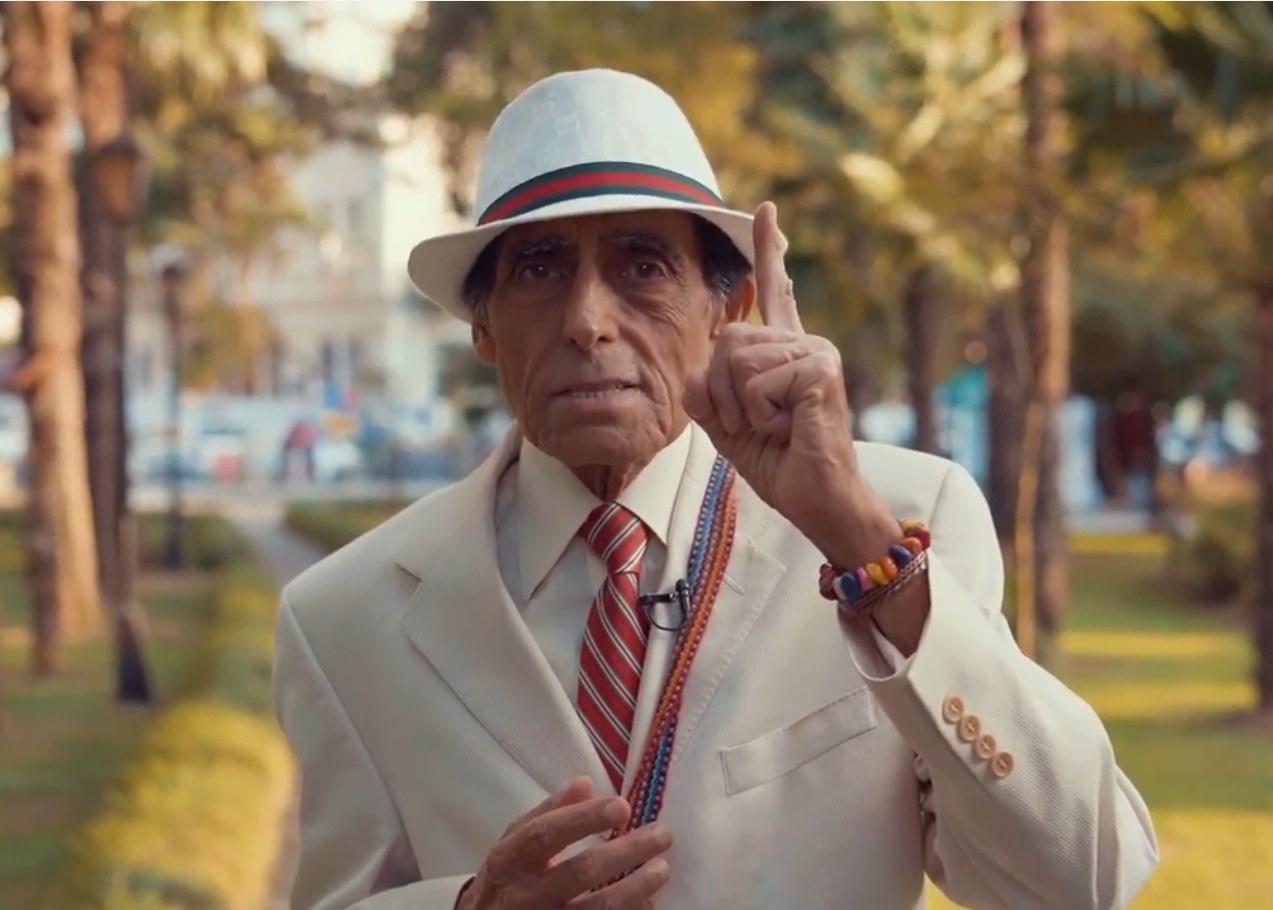 Dr. Boris Wydoff

Massage and self-massage are ways of mechanically working on the body's soft tissues using the hands or special tools. You can start right now: choose an accessible area, such as your hand or foot, and gradually learn stroking, rubbing and gentle kneading. Begin with calm movements using your palm. Then move on to more active touches without trying to cause pain. Some techniques involve circular movements. It's important to understand the purpose of each technique rather than trying to master complicated methods straight away.
Massage is used for relaxation, supporting general well-being and temporarily relieving certain types of pain. Self-massage allows you to focus on accessible areas of your body on your own. However, it does not replace professional treatment, diagnosis or medical care.
What Is Massage and How Is It Different from Self-Massage?
Massage involves working on the body's soft tissues through touch, pressure, rubbing and other manual techniques. A specialist can perform the procedure, taking the person's individual needs into account and choosing an appropriate technique. When someone massages accessible areas of their own body, this is called self-massage.
Both approaches share the same foundation: working with soft tissues. The main difference is who performs the movements and how well they can control their direction and intensity. During a professional massage, a specialist can reach areas that are difficult to access on your own.
There are several types of massage. Classical, or Swedish, massage is one of the most common approaches in Western countries and forms the basis of many massage therapist training programmes. Sports massage focuses on needs related to physical activity. Clinical massage is used for specific purposes, such as addressing muscle spasms.
There are also Eastern traditions, including shiatsu and tuina. They have their own principles and techniques. So the word "massage" refers not to a single procedure but to an entire group of practices.
Self-massage also comes in different forms. You can work on your hands, feet, shoulders, neck and other accessible areas. It's important to respect your body's limitations. Don't try to work on hard-to-reach areas yourself or turn pressure into an attempt to eliminate every kind of pain.
To begin, it's helpful to learn a few basic movements. Stroking helps you become familiar with the body's surface and the direction of touch. Rubbing involves more active hand movements, while kneading means gently working on soft tissues. These techniques form the foundation for learning about massage.
What Benefits Can Massage Offer?
People turn to massage for different reasons: they want to relax, support their well-being or ease uncomfortable muscle sensations. Medical research has examined its use for lower back, neck, shoulder and knee pain, as well as headaches. Results vary depending on the condition and the specific technique used.
For example, massage may provide short-term relief for neck and shoulder pain. Small studies of knee osteoarthritis have also suggested that massage may temporarily reduce pain. The evidence for chronic lower back pain is less convincing.
Massage has also been studied for headaches and migraines. However, the findings are not always consistent, and the number of studies remains limited. So we cannot say that the same technique will work equally well for everyone.
Massage is also considered as a complementary form of supportive care for people with cancer. In these cases, their individual condition and treatment must be taken into account. A specialist may need to apply less pressure to sensitive areas of the body.
As for self-massage, its main advantage is accessibility. You can give your hands or feet some attention, learn basic techniques and become more aware of your body's sensations.
For example, working on your hands gives you an opportunity to practise stroking, circular movements and gentle pressure. Feet are also suitable for learning different ways of touching and rubbing. However, a self-administered procedure is not the same as a professional massage: it has limitations in terms of which areas you can reach and how well you can control the technique.
It's important to understand what massage is intended to do. It can be part of self-care, but it is not a universal way to treat diseases. If discomfort persists or keeps returning, you need to find out what's causing it rather than simply applying more pressure.
How to Do Self-Massage and Where to Start
The first thing to learn is how the process itself works. Self-massage doesn't mean kneading your muscles as hard as possible or trying to cause pain. It's about gradually becoming familiar with the body's soft tissues and different ways of touching them.
For beginners, it's easier to choose accessible areas, such as the hands and feet. These make it easier to observe your own hand movements and gradually develop coordination. Don't jump straight into complicated techniques that require specialised anatomical knowledge.
Here are the basic techniques you can learn when studying massage:
- Stroking. A smooth movement of the palm across the body's surface. Start with a light touch, maintain a calm rhythm and pay attention to how it feels. This technique helps you learn the direction and sequence of movements.
- Rubbing. Moving your hands more actively over the skin while gently shifting the underlying tissues. The movements can be circular. There's no need to apply strong pressure: the goal for a beginner is simply to understand the technique.
- Kneading. Working with soft tissues by gently grasping and moving them. This technique requires an understanding of appropriate intensity. Don't squeeze the tissues sharply or continue if it hurts.
- Gentle pressure. Applying controlled pressure to an accessible area without trying to push through discomfort. It's important to be able to adjust the strength of your touch yourself.
- Circular movements. Smooth movements made with your fingers or palm over a small area. This approach is also used in the body-brushing technique I describe.
- Relaxing touches. A calm way to finish the procedure, without sudden movements or intense pressure.
You can follow this sequence when learning the techniques on your own:
1. Choose an accessible area. Start with your hand or foot. Don't try to work on several areas or complicated parts of the body at once.
2. Begin with stroking. Place your palm on the chosen area and make smooth movements. Pay attention to their direction and consistency.
3. Move on to rubbing. Use more active movements, including small circular motions. Keep the intensity under control.
4. Learn about kneading. Gently work on accessible soft tissues without squeezing them too hard or trying to cause pain.
5. Finish with gentle touches. Return to stroking to complete the sequence without sudden movements.
The techniques described do not establish a universal number of repetitions or duration for every body area. It's more important to learn how each movement should feel and understand its purpose.
Foot self-massage is a separate area of practice. It involves working on the surface of the feet, the toes and accessible areas of the soles. You can begin with stroking, then learn rubbing and gentle circular movements. However, these actions should not be considered a way to treat diseases of the joints, nerves or bones on your own.
People sometimes search online for how to perform self-massage for cervical osteochondrosis, heel spurs, trochanteritis or facial nerve neuritis. But these conditions require different approaches, and the same movements cannot be considered suitable for everyone. You shouldn't choose a technique yourself based on a single symptom.
My Advice: How to Make Massage Part of a Natural Lifestyle
I see massage as one element of a natural approach to health. In my books, I repeatedly emphasise that no single procedure should replace comprehensive self-care. It's important to consider physical activity, breathing, water treatments, rest and a person's state of mind.
First. I recommend considering massage alongside breathing exercises and physical activity.
In "The ABC of Health", I highlight massage, hardening practices and breathing exercises as interconnected areas of natural health care. I associate their combined use with improved circulation, better breathing and support for overall vitality.
I believe we shouldn't focus on just one procedure while forgetting about the other aspects of everyday activity. Massage shouldn't become the only practice a person pays attention to. It's important to see it as part of a broader approach to health. At the same time, I emphasise that these methods should be used as part of a comprehensive approach and under medical supervision.
Second. I draw attention to brushing the body during water treatments.
In "The ABC of Health", I describe massaging the body with a coarse horsehair brush using circular movements. I suggest paying particular attention to the abdomen, kidney area and neck. To understand the technique, it's helpful to break it down into its main steps:
1. The method described uses a coarse horsehair brush.
2. The brushing is performed using circular movements.
3. The areas given particular attention in the book are the abdomen, kidney area and neck.
4. The procedure is considered in connection with water treatments.
In my description, this kind of brushing increases blood flow to the skin and helps the body sweat. I also specifically emphasise the importance of monitoring water temperature: an accurate water thermometer is essential for this.
In my view, a bath should never become a test of endurance. This is a description of a method from my book, not a universal recommendation for everyone. You should discuss the individual safety of water treatments with a specialist.
Third. I emphasise the importance of regular self-massage.
In my book "Victory Over Cancer", I describe self-massage with aromatic oils based on A. A. Suvorin's method. It lasts around twenty minutes in the morning and is presented alongside rhythmic deep breathing and light exercise.
What's important in this example is not just the massage itself, but the combination of several practices. I associate the value of this approach with consistency rather than searching for a single effective technique.
The twenty-minute duration applies specifically to the method described in the book. You shouldn't automatically apply this duration to every area, technique or health condition.
Fourth. I see massage as part of a comprehensive system of natural health care.
In my books, I outline a formula for health: nutrition, movement, hardening practices, positive emotions and routine. Massage has its place in this formula, but it doesn't replace any of the other elements.
Modern medicine evaluates massage primarily in relation to specific indications and does not consider it a universal way to treat diseases or cleanse the body. That's why I recommend approaching self-massage sensibly, avoiding excessive pressure and taking your individual health needs into account.
Where and How to Learn
If you'd like to explore naturopathy in greater depth, you can learn about the Academy of Natural Healing. It's a structured educational course based on books, video materials, seminars and audio recordings by Dr. Boris Wydoff.
The programme consists of five stages.
1. The foundations: the doctor's books. You'll study the principles of naturopathy, how the body works, cleansing, nutrition and lifestyle. The books include "The ABC of Health", "A Handbook for the Healthy and the Sick", "Secrets of Youth, Health and Beauty" and "Victory Over Cancer".
2. Nutrition and cleansing. Seven lectures cover nutrition, a mono-raw food diet, the digestive system and natural methods. The programme includes materials from the doctor's complete video course.
3. Health conditions and practices. You'll explore common chronic conditions, joints, the heart, blood vessels and skin, as well as baths, wraps and Kneipp treatments.
4. Seminars and audio materials. The programme includes recordings of the doctor's talks, answers to listeners' questions, naturopathy seminars and an archive of forty audio recordings of radio interviews.
5. Consciousness. A separate stage is devoted to the mind, suggestion, hypnosis and parapsychology.
After completing the programme, students take an examination personally with Dr. Boris Wydoff. Those who successfully complete the course receive certificates in naturopathy and parapsychology bearing their names.
The course helps you understand the principles of natural health care, see how nutrition, movement and lifestyle are connected, explore different practices and become more mindful about looking after yourself and your loved ones. In particular, students learn how various procedures are performed and in which situations medical advice is necessary.
However, studying massage should not be confused with professional massage therapist training. Learning about naturopathic practices and mastering professional massage techniques are two different things. Professional practice requires separate training. Details and registration are available on the Academy's page.
When to See a Doctor
When do you need urgent medical help?
If you suddenly feel significantly worse during a massage or self-massage, stop the procedure immediately.
Pay particular attention to chest pain that spreads to the arm, along with cold sweats. These may be signs of a serious condition, such as a heart attack. In this situation, call emergency services immediately rather than trying to continue working on the body or relieve the discomfort with massage.
When should you arrange a medical appointment?
If pain in your muscles, neck, shoulders or other areas persists, keeps returning or gets worse, you should see a doctor. The same applies if you suspect a joint, nerve or spinal condition.
Massage cannot help you identify the cause of discomfort on your own. For example, foot pain can have several different causes, and similar-looking symptoms do not necessarily mean the same condition. A doctor makes the diagnosis after an examination and any necessary tests.
You should also discuss whether massage is appropriate with a specialist before having a professional treatment if you have a chronic condition or are undergoing medical treatment. This is especially important if the intensity needs to be adjusted or certain areas of the body must be avoided.
Don't choose intensive techniques yourself simply because a particular movement temporarily reduces discomfort. First, you need to understand what's causing the problem and determine which approach is appropriate for your situation.
You can find out more about how I approach this subject on the "Naturopathy and Education" page.
EDITORIAL NOTE
This article is based on books by Dr. Boris Wydoff and medical reference materials about massage and its uses. It is intended for educational purposes, does not replace a medical consultation and should not be considered an individual treatment recommendation.
Medical information: NCCIH (National Center for Complementary and Integrative Health).
Frequently asked questions
What exactly is self-massage?
Self-massage means using your own hands to work on the soft tissues of your body. The basic techniques include stroking, rubbing, kneading, gentle pressure and circular movements. It's easiest to start learning them on accessible areas, such as your hands and feet.
How do I do self-massage properly at home?
Start by choosing an accessible area of your body, such as your hand or foot. First, make smooth stroking movements with your palm, then move on to rubbing and small circular movements. After that, you can gently try kneading and finish with calm, relaxing touches. In the method described by the doctor using aromatic oils, the session lasts around twenty minutes in the morning. However, this is a feature of a specific practice, not a universal recommendation for all types of self-massage.
Can I massage my own feet?
Feet are suitable for learning the basic massage techniques. Start by stroking the surface of your feet and toes, then try gentle rubbing and circular movements on accessible areas. If you have pain or suspect an underlying condition, you should first find out what's causing it by consulting a doctor.
Can massage help get rid of belly fat?
Massage should not be considered a standalone way to reduce body fat. Body weight is influenced by nutrition, physical activity and other lifestyle factors. In "The ABC of Health", the doctor describes circular brushing of the abdomen with a horsehair brush, but does not present it as an independent method of weight loss.
Can I massage my neck if I have cervical osteochondrosis?
There is no universal technique for this condition. You should discuss the appropriate approach with your doctor, taking your diagnosis and individual health needs into account. If the pain persists, keeps returning or gets worse, don't try to solve the problem by applying more pressure.
What's the difference between self-massage and a professional massage?
With self-massage, you work on your own body, while a professional treatment is performed by a specialist. A professional has more options for reaching difficult areas and controlling the technique. Self-massage is a convenient way to learn the basic techniques, but it does not replace professional care.
Where should I start if I want to learn how to massage myself?
Start by learning the purpose of the basic techniques: stroking, rubbing, kneading and gentle pressure. Then choose an accessible area of your body, practise calm movements and gradually move on to other ways of touching the tissues. For specialised techniques, it's helpful to learn under the guidance of a qualified instructor.
Study this topic systematically — Dr. Wydoff's course, books and video lectures
Academy of Natural Healing: study naturopathy →Academy of Natural Healing — Complete Course →Naturopathy Training — Complete Course →Learn with the doctor
Boris Wydoff — naturopath and author, Ph.D. in nutrition. For over fifty years I have helped people restore health through nutrition, cleansing and the power of the mind — in Europe, America and Asia. About the author →